Human-centered design (HCD) is a design philosophy that prioritizes the needs, preferences, and behaviors of users throughout the design process. This approach is particularly vital for website owners who aim to create engaging, effective, and user-friendly digital experiences. By focusing on the end-user, website owners can enhance usability, accessibility, and overall satisfaction, leading to better engagement and conversion rates. This article delves into the principles of human-centered design, its importance in web design, and practical steps for implementation.
Understanding Human-Centered Design
Human-centered design is a framework that emphasizes empathy and user involvement at every stage of the design process. It encourages designers to deeply understand users’ needs and contexts. This involves understanding and sharing the feelings of users to comprehend their needs and challenges.
Designers involve users throughout the design process to ensure their needs and preferences are met. The design is continuously refined and improved based on user feedback and testing. Ensuring the website is usable by people of all abilities and disabilities is crucial. Finally, the website must be easy to navigate and use.
The Importance of Human-Centered Design in Web Development
Here are the significance of human-centered design in web development and its impact on creating effective digital solutions.
Enhancing User Experience
A website designed with human-centered principles is more likely to provide a positive user experience. By focusing on usability and accessibility, website owners can create interfaces that are intuitive and easy to navigate. This is particularly important as users increasingly expect seamless online experiences. Websites that fail to meet these expectations risk losing visitors and potential customers.
Increasing Engagement and Conversion
When users find a website easy to use and aligned with their needs, they are more likely to engage with the content and take desired actions, such as signing up for newsletters, making purchases, or sharing information. This increased engagement can lead to higher conversion rates, making HCD a critical strategy for website owners looking to achieve business objectives.
Building Trust and Loyalty
A user-centric approach fosters trust and loyalty among users. When individuals feel that a website understands and caters to their needs, they are more likely to return and recommend the site to others. This is particularly vital in competitive markets where user retention is key to success.
Key Principles of Human-Centered Design
Human-centered design (HCD) is an approach that ensures the design process remains focused on the needs, preferences, and experiences of users. Here are the key principles of HCD, explained in detail:
Empathy
This principle involves deeply understanding and sharing the feelings of users. Designers must immerse themselves in the users’ experiences to grasp their needs, motivations, and challenges. By developing empathy, designers can create solutions that genuinely address users’ pain points and enhance their overall experience.
User Involvement
Actively involving users throughout the design process is crucial. This means engaging with users from the initial research phase through to the final testing stages. User involvement ensures that the design evolves based on real user input and feedback, leading to a product that truly meets their needs and expectations.
Iterative Design
Human-centered design is inherently iterative. This principle emphasizes the importance of continuously refining and improving the design based on user feedback and testing. By adopting an iterative approach, designers can identify and fix issues early, leading to a more polished and user-friendly final product.
Accessibility
Ensuring that the design is usable by people of all abilities and disabilities is a core principle of HCD. This involves considering various accessibility needs, such as those related to vision, hearing, mobility, and cognitive abilities. An accessible design not only complies with legal standards but also expands the product’s reach to a broader audience.
Usability
Usability is about making the design easy to navigate and use. This principle focuses on creating intuitive interfaces that allow users to achieve their goals with minimal effort and confusion. A highly usable design enhances user satisfaction and reduces the likelihood of errors and frustration.
Contextual Awareness
Designers must consider the context in which users will interact with the product. This includes understanding the environments, situations, and devices users will use. By being contextually aware, designers can create solutions that fit seamlessly into users’ lives and enhance their overall experience.
Feedback Integration
Actively seeking and incorporating feedback from users is essential for refining the design. This principle involves gathering insights through surveys, interviews, usability tests, and other methods. Integrating user feedback helps ensure that the design remains relevant and effective.
Holistic Perspective
A holistic perspective means considering the entire user journey and experience, not just individual interactions or touchpoints. Designers should look at the broader picture, understanding how users interact with the product from start to finish. This comprehensive view helps create a cohesive and seamless experience.
By adhering to these principles, human-centered design produces solutions that are not only functional and aesthetically pleasing but also deeply resonant with the users they are intended for.
Steps to Implement Human-Centered Design in Web Projects
Implementing human-centered design (HCD) in web projects involves a systematic approach to ensure that the final product meets users’ needs and preferences. Here are the key steps to follow:
1. Define Your Target Audience
Understanding who your users are is the first step in HCD. Conduct market research to identify user demographics, preferences, and behaviors. Create user personas that represent different segments of your audience to guide the design process.
2. Conduct User Research
Engage with your target audience through interviews, surveys, and usability testing. Gather qualitative and quantitative data to gain insights into their needs and pain points. This research will inform your design decisions and help you create solutions that truly resonate with users.
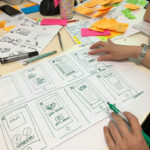
3. Ideation and Prototyping
Once you have a clear understanding of your users, brainstorm ideas and create prototypes. These can range from low-fidelity wireframes to high-fidelity mockups. The goal is to visualize your ideas and test them with real users to gather feedback.
4. Test and Iterate
Conduct usability testing with your prototypes to observe how users interact with your designs. Collect feedback and identify areas for improvement. Iteration is key; refine your designs based on user input and retest until you achieve a satisfactory solution.
5. Implement and Evaluate
After finalizing your design, implement it on your website. Post-launch, continue to evaluate user interactions and gather feedback to identify further enhancements. This ongoing process ensures that your website remains relevant and user-friendly over time.
Final Words
Human-centered design is an essential approach for website owners looking to create engaging and effective digital experiences. By prioritizing user needs and involving them in the design process, website owners can enhance usability, increase engagement, and build lasting relationships with their audience. Implementing HCD principles not only leads to better design outcomes but also contributes to the overall success of a website in a competitive online landscape. Embracing this approach will ultimately result in a website that not only meets business objectives but also delights users.